Chances are you, or someone you know, has an opioid-based prescription in your medicine cupboard at home, but do you also have naloxone on hand? That’s the question on Carlotta Standen’s mind right now.
If you don’t, you should, says the Bendigo Community Health Services Practice Manager for Community Pharmacotherapy.
“People who are prescribed opioid-based medication know they’re taking an opioid,” Carlotta says. “That’s why we always recommend, and so do GPs now, having a box or two of the overdose reversal medication naloxone as well, just in case.
“It’s a simple, easy-to-use nasal spray that bides time for a person to receive proper medical care. Every home should have it.”
Opioid-based medications may be prescribed for people with long-term health conditions and include Oxycontin, Targin, MS Contin, Norspan and Fentanyl.
“In an ideal world people would only take these types of medications for a short period of time,” Carlotta says. “Unfortunately, chronic health conditions exist.
“Equally unfortunate is just how addictive opioids can be. The guidelines are clear, people shouldn’t be on an opioid-based medication for long as, on average, the body gets used to it after just two weeks.”
When it comes to taking and storing opioids ‘just in case’ is a phrase that shouldn’t be taken lightly, Carlotta believes. Nor should there be the assumption that it’s only people who use illicit drugs who can become addicted.
“Many people who are prescribed opioids by their doctor might not identify that they are at risk of becoming addicted or unintentionally overdosing, but opioids like any other medication can cause toxicity which can lead to an overdose,” Carlotta says.
“Through no fault of their own this can happen, an opioid-based medication could have built up in a person’s system, or two medications could have reacted, causing a situation to become life threatening. This can happen even by following your GP’s prescribed dose.
"This is why having naloxone at home is critical. It can save lives."
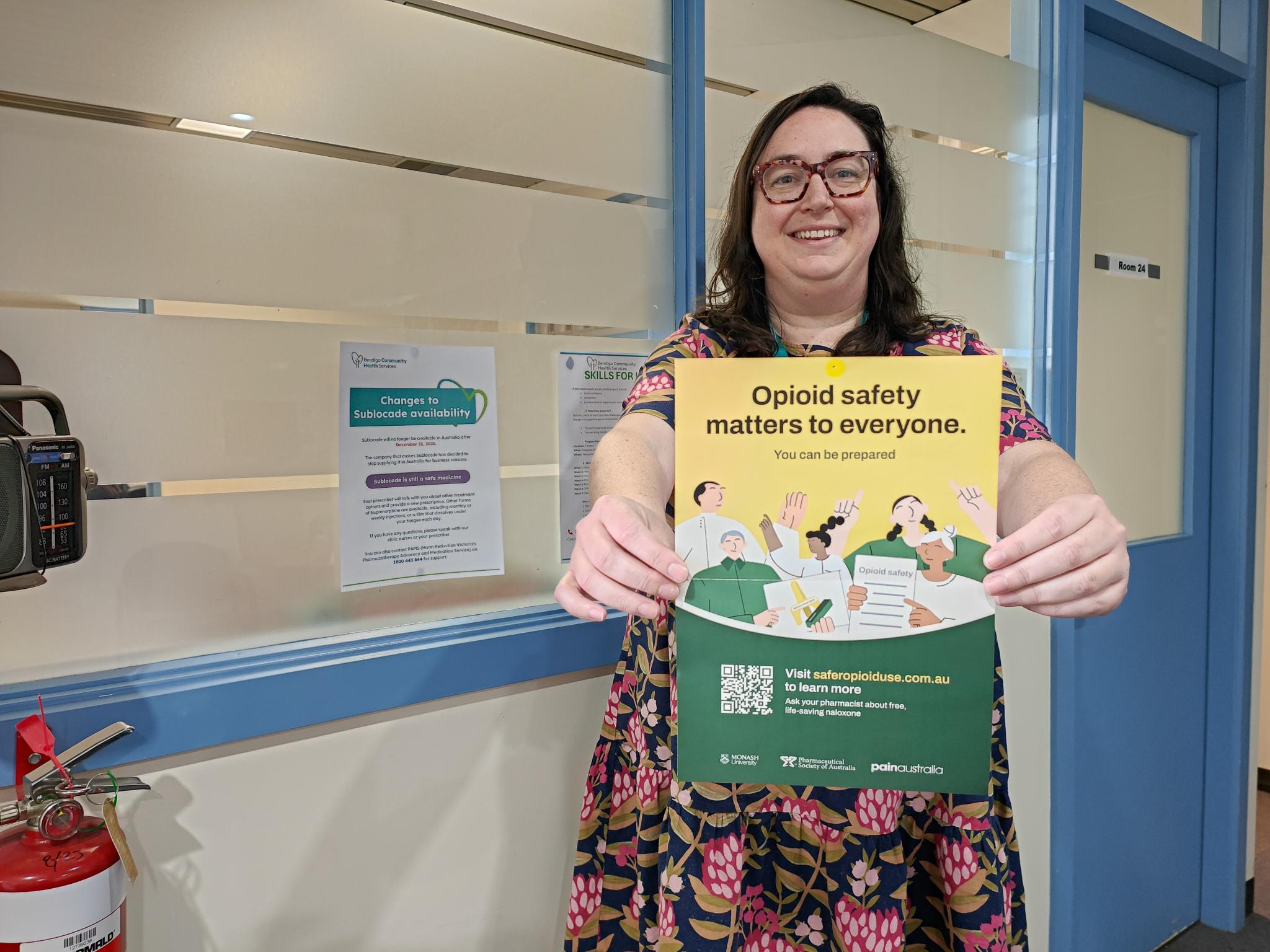
A consultant pharmacist with more than 20 years’ experience, Carlotta helped co-design the Opioid Safety Toolkit which launched nationally last year. Designed to empower, educate and support safe and effect use of prescription opioids, it’s a project Carlotta is proud to have taken part in.
“Addiction doesn’t discriminate,” she says. “Because of that we need to have things like the Opioid Safety Toolkit that are comprehensive, features evidence-based information and can help you create a safety plan when taking opioids for pain relief. Naloxone forms a big part of this.
“The other that is needed is easily accessible naloxone, which BCHS can provide.”
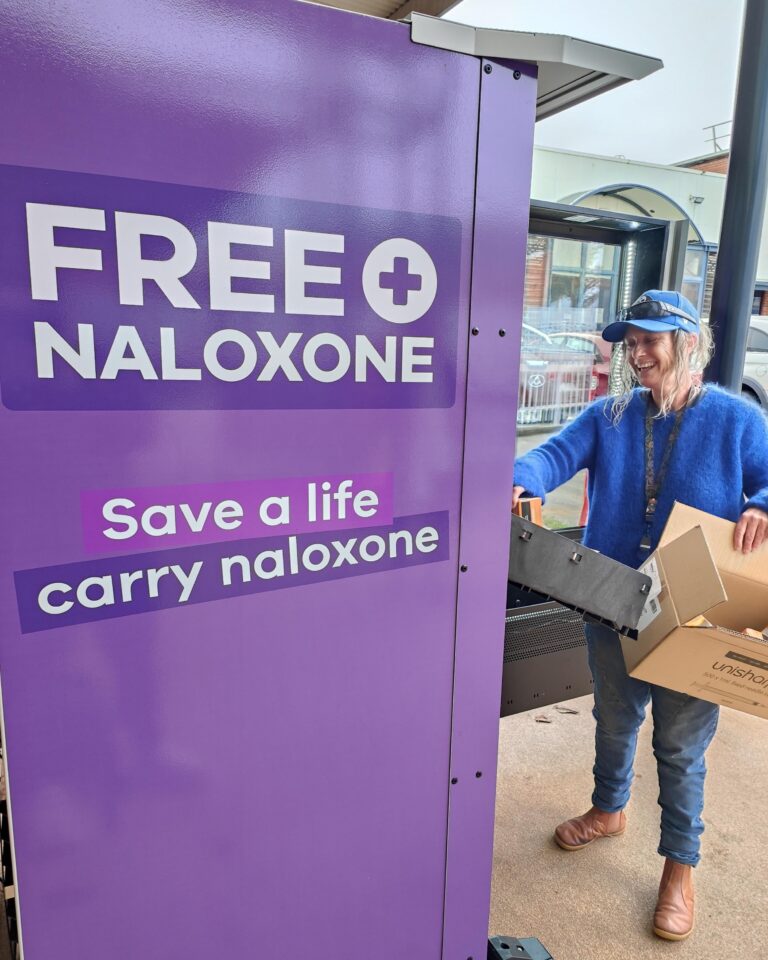
In June, a naloxone dispensing machine was installed at the BCHS Central site as part of the state government’s bid to reduce preventable deaths. To date it has dispensed 146 boxes.
The machine is free to use, accessible 24/7 via the Hopetoun Street car park and each box of naloxone dispensed contains two doses as well as instructions for use.
BCHS provides training for organisations and individuals on how to administer naloxone. For more information email AOD Outreach Coordinator Peta Brady at